Security guard shifts, hours and overtime: the rules under Sectoral Determination 6
The 48-hour week, the 12-hour shift, rest periods, overtime, night and Sunday rates, and a checklist for a lawful roster.
TenEight Team · 17 September 2026
Security guard shifts are governed by rules that differ from the rest of the labour market, and both officers and employers get them wrong in the same places. The Basic Conditions of Employment Act sets the national baseline; Sectoral Determination 6 for the Private Security Sector then varies it for guarding, allowing longer ordinary hours and setting its own rates for overtime, night work, Sundays and public holidays. A roster that ignores the determination underpays officers and fails inspection. A roster built on it is legal, predictable and (because the determination is what officers know) the roster they will stay for.

Ordinary hours and the 12-hour shift
The determination allows security officers longer ordinary hours than the BCEA's 45 a week: up to 48 ordinary hours a week, and up to 12 hours a day. That is the legal basis for the 12-hour shift that defines the industry. A 4-on 4-off roster of 12-hour shifts averages 42 hours a week. A 6-on 3-off roster averages 56, of which the hours over 48 are overtime and must be paid as such.
What counts as working time is everything from the start of the shift to its end, including standing at the post while nothing happens. Time spent at a briefing or handover the employer requires is working time too.
Meal intervals and rest periods
A meal interval of at least 30 minutes after five hours of work. On a single-officer post the officer usually cannot leave, so the interval is worked and must be paid.
A daily rest period of at least 12 consecutive hours between shifts. A 12-hour shift ending at 18:00 cannot be followed by one starting at 06:00 the same night: the officer has had exactly 12 hours only if nothing ran over.
A weekly rest period of at least 36 consecutive hours, which must include a Sunday unless agreed otherwise in writing.
Rosters that squeeze the rest periods are the ones where officers fall asleep on post, and where an incident afterwards is impossible to defend.
Overtime
Hours beyond the ordinary week are overtime, paid at 1.5 times the ordinary hourly rate. Overtime is capped by the determination, and an employer may not roster an officer beyond the cap even with consent. Voluntary in law does not mean voluntary on a roster that has no relief officers. But an officer who refuses overtime beyond the cap is exercising a right, not committing misconduct.
Employers calculate the hourly rate from the monthly wage using the divisor in the determination, and pay the overtime hours on the same payslip as the month they were worked. Deferring overtime to "next month" is a breach.
Night work
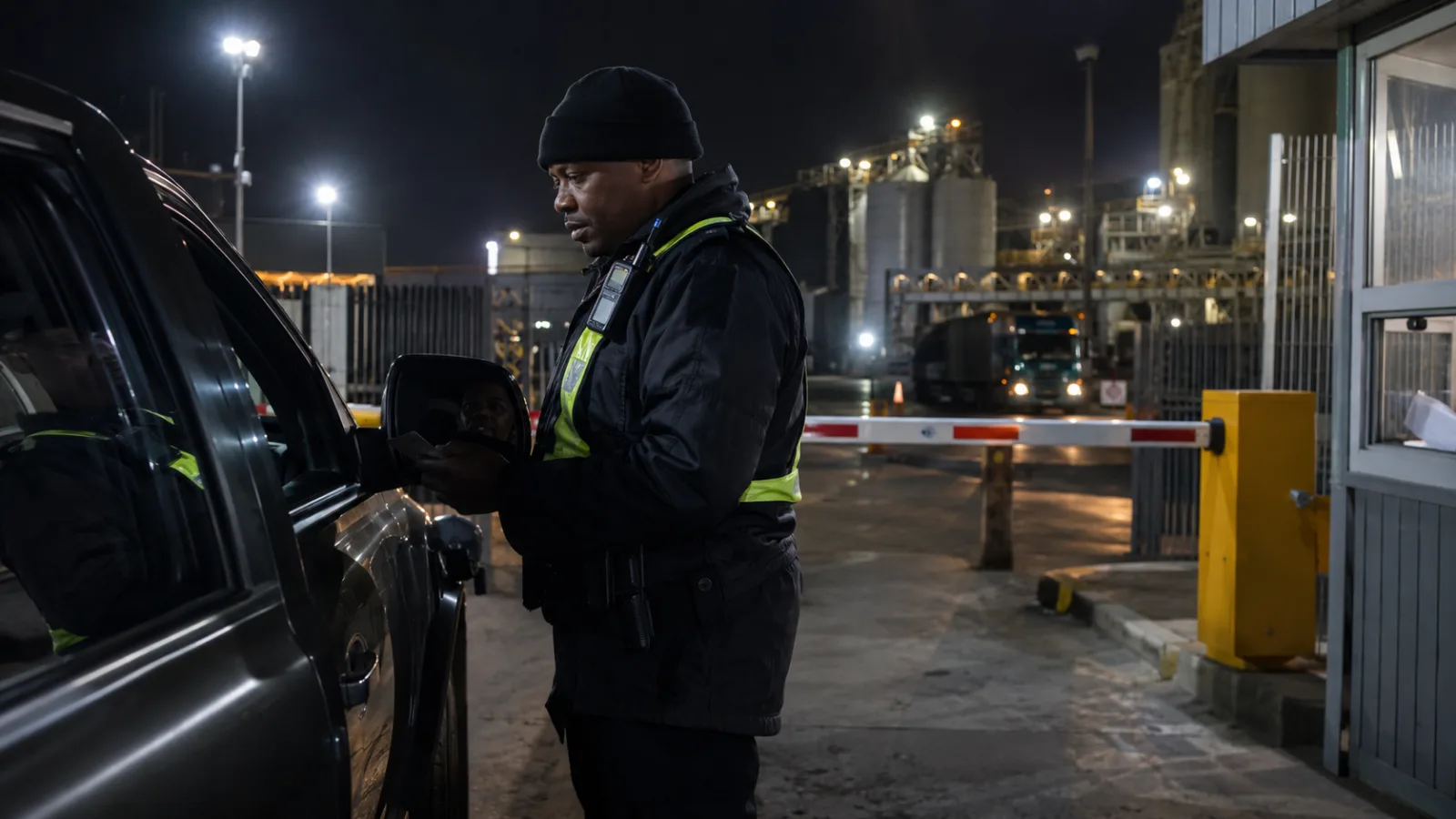
Work between 18:00 and 06:00 attracts a night shift allowance on top of the hourly rate. On a rotating roster most officers do roughly half their shifts at night, so the allowance is a permanent feature of the pay, not an occasional extra. Employers must also see to the transport and safety of officers who start or finish at night. The determination expects it, and the officers expect it more.
Sundays and public holidays
Sunday work is paid at a higher rate than an ordinary day, unless the officer ordinarily works Sundays as part of the roster, in which case the determination's lower Sunday premium applies. Read the determination for your roster type. The two cases pay differently.
Public holidays: an officer who works a public holiday is paid at double the ordinary rate for that day or given a paid day off in exchange. A public holiday that falls on a rostered day off does not create a day's pay.
Twelve public holidays a year on a 24-hour post is a real cost line. Employers who price a contract on 365 ordinary days discover this in April.
Leave
Annual leave under the determination is three weeks per year, taken by agreement, and sick leave follows the BCEA's 36-day cycle over three years. Family responsibility leave is three days a year. Leave accrues from the first day of work and unused annual leave is paid out on termination.
Uniforms and equipment
The employer supplies uniforms and may not deduct for the first issue. Limited deductions for replacements are permitted only where the determination allows and the officer has agreed in writing. Equipment (radios, torches, PPE) is the employer's cost.
Building a lawful security roster: a checklist
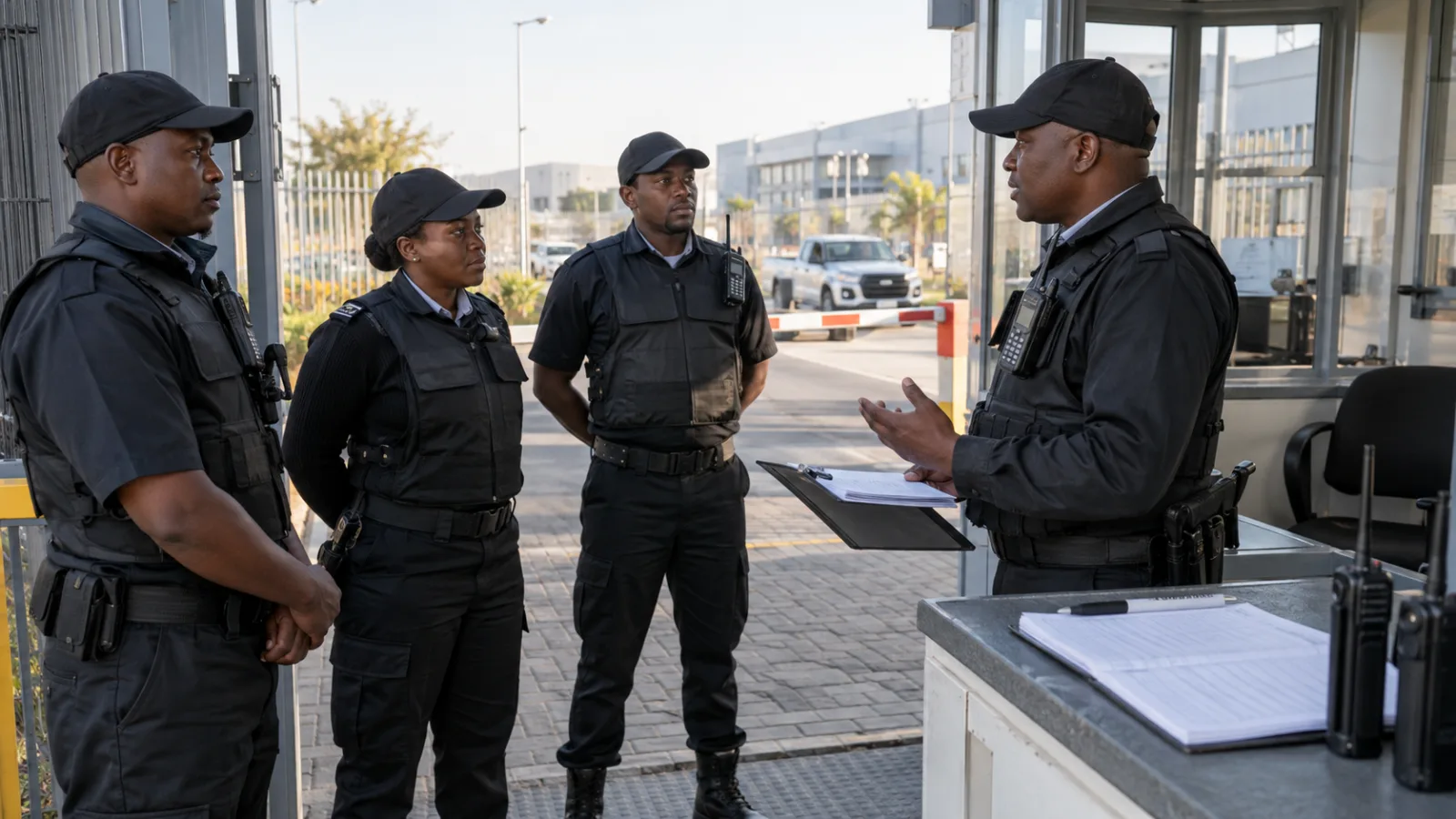
Ordinary hours 48 a week and 12 a day or fewer. Everything above is overtime at 1.5 times.
12 hours between shifts and 36 consecutive hours off each week.
Meal intervals paid where the officer cannot leave the post.
Night allowance on every hour between 18:00 and 06:00.
Sunday and public holiday rates correct for the roster type.
Overtime within the cap, paid in the month it was worked.
Roster published in advance and changed only by agreement.
Relief officers built in, so that sick days do not become illegal doubles.
Officers who know these rules can check their own payslips against them. Employers who follow them have nothing to fear from an inspector. Both sides find each other more easily when the roster is stated up front. Employers on TenEight put the shift pattern in every job advert, and job seekers record the shifts they can work on their profile.
Quick answers
How many hours can a security guard work per week in South Africa?
Up to 48 ordinary hours a week and 12 a day under Sectoral Determination 6, with overtime above that at 1.5 times the hourly rate and subject to a cap.
Are 12-hour security guard shifts legal?
Yes. The determination allows a 12-hour ordinary shift, provided the daily and weekly rest periods are kept.
Do security guards get paid extra for night shifts?
Yes. Work between 18:00 and 06:00 carries a night shift allowance on top of the ordinary rate.
Sources
Sectoral Determination 6 for the Private Security Sector and the Basic Conditions of Employment Act, via the Department of Employment and Labour. Rates and limits are amended from time to time. Confirm the current determination before relying on any figure here.